

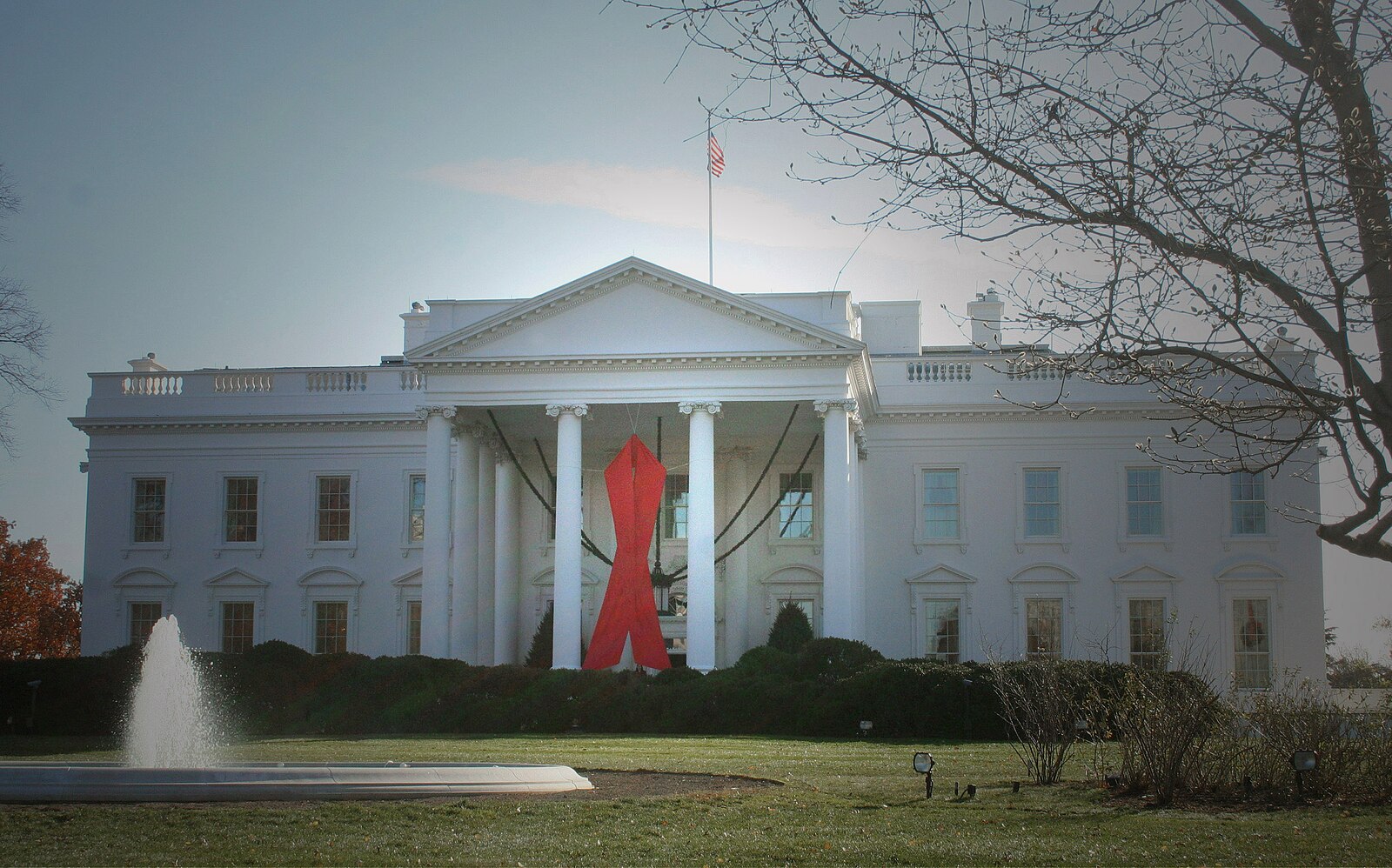
The federal government is not officially commemorating World AIDS Day this year, breaking with a bipartisan practice that has been in place since the observance was created in 1988.
What changed this year
For 37 years, U.S. administrations of both parties have marked December 1 with presidential proclamations, public statements, or federal events tied to World AIDS Day. In 2025, the State Department and other federal agencies were instructed not to use government funds or platforms to promote or recognize the day, effectively ending formal national observance.
The State Department has instructed its staff and grant recipients not to use federal funds for any World AIDS Day observances, according to a New York Times report. While they may still discuss their HIV and infectious disease work, the guidance tells them to avoid explicitly promoting World AIDS Day in any outward-facing communications.


“Modernizing our approach to countering infectious diseases” and that “under the leadership of President Trump, the State Department is working directly with foreign governments to save lives and increase their responsibility and burden sharing,” Tommy Pigott, a spokesperson for the State Department, wrote in a statement.
Origins of World AIDS Day
World AIDS Day was first observed on December 1, 1988, after global health officials agreed on an annual day of remembrance and action at a London summit earlier that year. In the United States, the observance grew alongside a deepening epidemic that had already killed tens of thousands of Americans by the late 1980s.
Federal tradition of recognition
Beginning in the early 1990s, U.S. presidents regularly issued World AIDS Day proclamations, hosted events, or released statements highlighting progress against HIV and gaps that remained. Successive administrations used the day to showcase initiatives such as the President’s Emergency Plan for AIDS Relief (PEPFAR), launched in 2003 and credited with saving millions of lives worldwide.
This year’s policy directive
Internal guidance reviewed by multiple outlets shows the State Department telling employees and grantees to avoid messaging or programming tied specifically to World AIDS Day. Officials have framed the move as part of a broader “America First” approach to global health that shifts away from UN‑branded observances, even as they insist U.S. HIV funding and PEPFAR will continue.
Reaction from advocates and communities
HIV advocates, public health groups, and legal aid organizations say ending federal recognition sends a damaging signal at a time when more than half a million people still die of AIDS-related illnesses each year globally. Doctors and community groups warn that the decision, combined with recent cuts or proposed changes to HIV prevention and treatment programs, risks undermining decades of hard‑won progress.
“An awareness day is not a strategy,” Pigott. “Under the leadership of President Trump, the State Department is working directly with foreign governments to save lives and increase their responsibility and burden sharing.”


