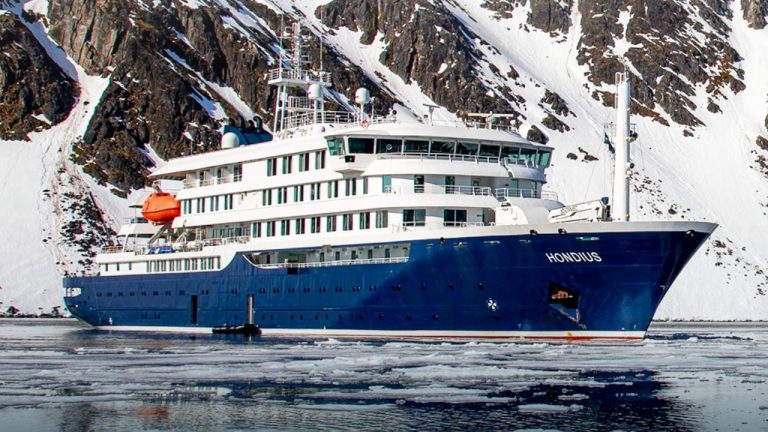
The World Health Organization (WHO) said it was notified on May 2, 2026, of a cluster of passengers and crew with severe respiratory illness on the Hondius, a polar cruise ship carrying 147 people on a voyage from Ushuaia, Argentina, toward the Canary Islands. As of May 4, there are seven cases linked to the ship, two laboratory‑confirmed hantavirus infections and five suspected cases, including three deaths, one critically ill patient evacuated to South Africa, and three people with milder symptoms.
The ship is now anchored off Cape Verde after authorities there refused permission to dock, leaving nearly 150 passengers and crew confined to their cabins while teams carry out cleaning and disinfection. Two seriously ill crew members remain on board awaiting medical evacuation, according to the operator, Oceanwide Expeditions.
How experts think the virus spread
Hantaviruses are a group of viruses usually carried by rodents and spread to people through contact with infected animals’ urine, feces, or saliva, often via contaminated dust. “These infections are typically linked to rodent exposure in rural or peridomestic settings, not cruise ships,” said Dr. Maria Van Kerkhove, acting director of WHO’s Department of Epidemic and Pandemic Preparedness and Prevention, in a technical briefing on the outbreak.

In a risk assessment, the WHO said early testing points to a South American hantavirus, and experts suspect the Andes virus, a strain known to cause severe lung disease and, in rare circumstances, limited human‑to‑human transmission. “There are indications of possible person-to-person spread on board, but this remains under investigation,” WHO noted, emphasizing that hantaviruses overall “do not transmit easily between humans.”
Conditions on board and passenger fears
Passengers have described a tense, claustrophobic atmosphere as they wait for answers. “We were told three people had died and that we had to stay in our cabins while they ‘investigate a virus,’” one passenger told Fox News, recounting confusion as ports declined the ship. An elderly Dutch couple is among the dead, according to WHO and South African health authorities.
The ship, designed for polar expeditions with around 70 crew members and fewer than 150 passengers, had recently visited remote destinations, including Antarctica and the Falkland Islands, before crossing the Atlantic. Oceanwide Expeditions said in a statement that medical personnel boarded the Hondius during the voyage and that at least one gravely ill passenger was evacuated from Ascension Island to an intensive care unit in South Africa, where hantavirus infection was confirmed by PCR testing on 2 May.
What hantavirus does to the body
Illness onset among cases on the Hondius ranged from early to late April, with patients developing fever, gastrointestinal symptoms, and rapid progression to pneumonia, acute respiratory distress syndrome, and shock, the WHO reported. In the Americas, hantaviruses can cause hantavirus pulmonary syndrome (HPS), a severe respiratory disease with a reported fatality rate of around 30–40 percent in some outbreaks, according to U.S. and European public‑health agencies.
“Hantavirus infections often begin like a flu but can deteriorate dramatically over a few days, leading to respiratory failure and the need for intensive care,” said Dr. Angela Rasmussen, a virologist at the University of Saskatchewan who studies emerging viruses, in comments to NBC News about the current cluster. She added that identifying the specific strain on the Hondius will be key to understanding whether human‑to‑human transmission played a significant role.
Actor Gene Hackman’s wife, concert pianist Betsy Arakawa, died from hantavirus infection. Her death, reported in 2025, has been cited in recent coverage as a high‑profile example of how suddenly hantavirus can turn fatal, even though overall case numbers remain very low.
Global risk seen as low, for now
Despite the alarming circumstances on a confined ship, WHO currently assesses the overall risk to the general public as low, noting that confirmed and suspected cases are limited to those with direct exposure on board. Health authorities in South Africa, Cape Verde, the Netherlands, and other countries with affected passengers are tracing contacts and advising recent travelers from the Hondius to seek care if they develop fever or respiratory symptoms.
“While this event is serious for those affected, hantavirus remains a rare disease, and the likelihood of widespread community transmission is low,” WHO said in its disease‑outbreak update. Investigators are now focusing on how rodents or contaminated materials may have entered the ship’s supply chain and on reconstructing the movements and interactions of the first known cases during land excursions in South America.