

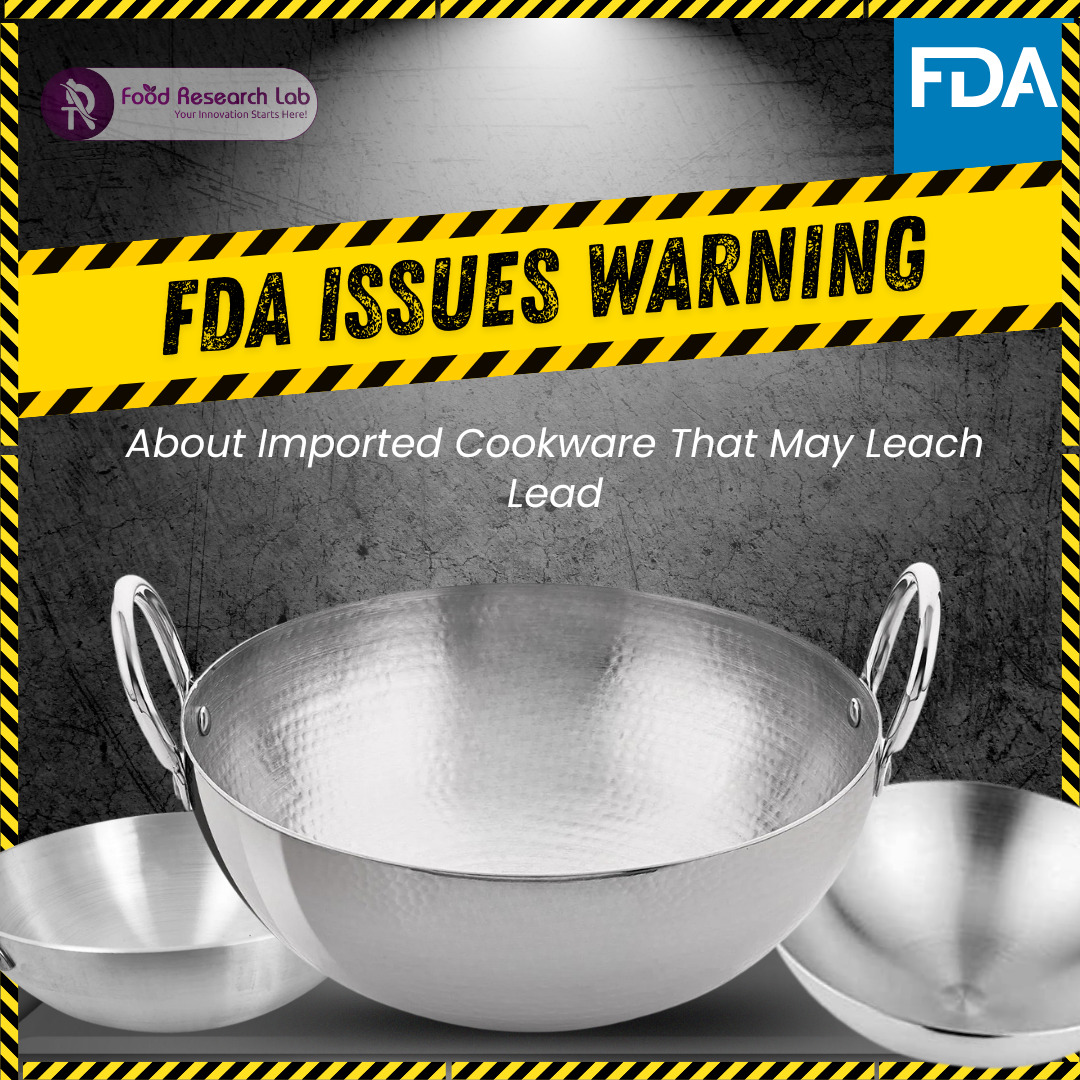
The Food and Drug Administration (FDA) has warned that certain imported pots and pans can leach dangerous levels of lead into food and should be thrown away immediately, not donated or refurbished. In an October recall update, the agency stressed that young children and people who are pregnant or breastfeeding face the greatest risk, and that there is no known safe level of lead exposure in the diet. The agency also recommended safe non-toxic cookware alternatives for home kitchens
Estimated reading time: 3 minutes
What the FDA Flagged
The recent recall centers on specific imported cookware made from aluminum, brass, and aluminum alloys marketed under names such as Hindalium or Hindolium that testing has shown can release significant amounts of lead under normal cooking conditions. Federal officials say any item named in the alert should be treated as hazardous household waste: stop using it, do not store food in it, and do not pass it along to someone else.


Health experts warn that chronic lead exposure can damage the brain and nervous system in children, raise blood pressure, and contribute to heart and kidney problems in adults. Because symptoms can be subtle or delayed, regulators emphasize prevention, keeping lead out of kitchens in the first place, rather than trying to treat poisoning after the fact.
What To Do If You Have Recalled Cookware
Consumers are being urged to check their cabinets against the FDA’s list of affected brands and models, which includes multiple aluminum and brass pots, saucepans, and specialty pans manufactured outside the United States. Anyone who finds a match should stop using the item immediately, wrap or bag it so it cannot be reused, and follow local guidance for disposing of household items that contain heavy metals.
Public health officials also advise against using visually similar unbranded aluminum or brass cookware from informal markets if its composition and safety testing are unclear. Families with small children or pregnant people who have used recalled cookware regularly may wish to discuss lead testing with a healthcare provider.
Safer Cookware Materials
Independent health organizations and kitchen experts, after testing, point to several materials that are generally considered safer for everyday cooking when used as directed. These include:
- Stainless steel (including tri-ply or multi-ply clad pans)
- Cast iron and enameled cast iron
- Carbon steel woks and skillets
- High‑quality borosilicate or tempered glass bakeware and dishes
- Well‑made ceramic or ceramic‑coated nonstick pans that are certified free of PFAS, PFOA, lead, and cadmium
Many modern “non‑toxic” nonstick lines use ceramic coatings derived from sand and advertise third‑party testing to confirm they are free of PFAS chemicals and heavy metals, though these coatings can wear over time and need gentler care. Stainless steel, cast iron, and glass, by contrast, are durable and can last decades if properly maintained, making them reliable long‑term replacements for recalled pieces.
Click here for the complete list. This recall is not the first of its kind regarding lead contamination.


