

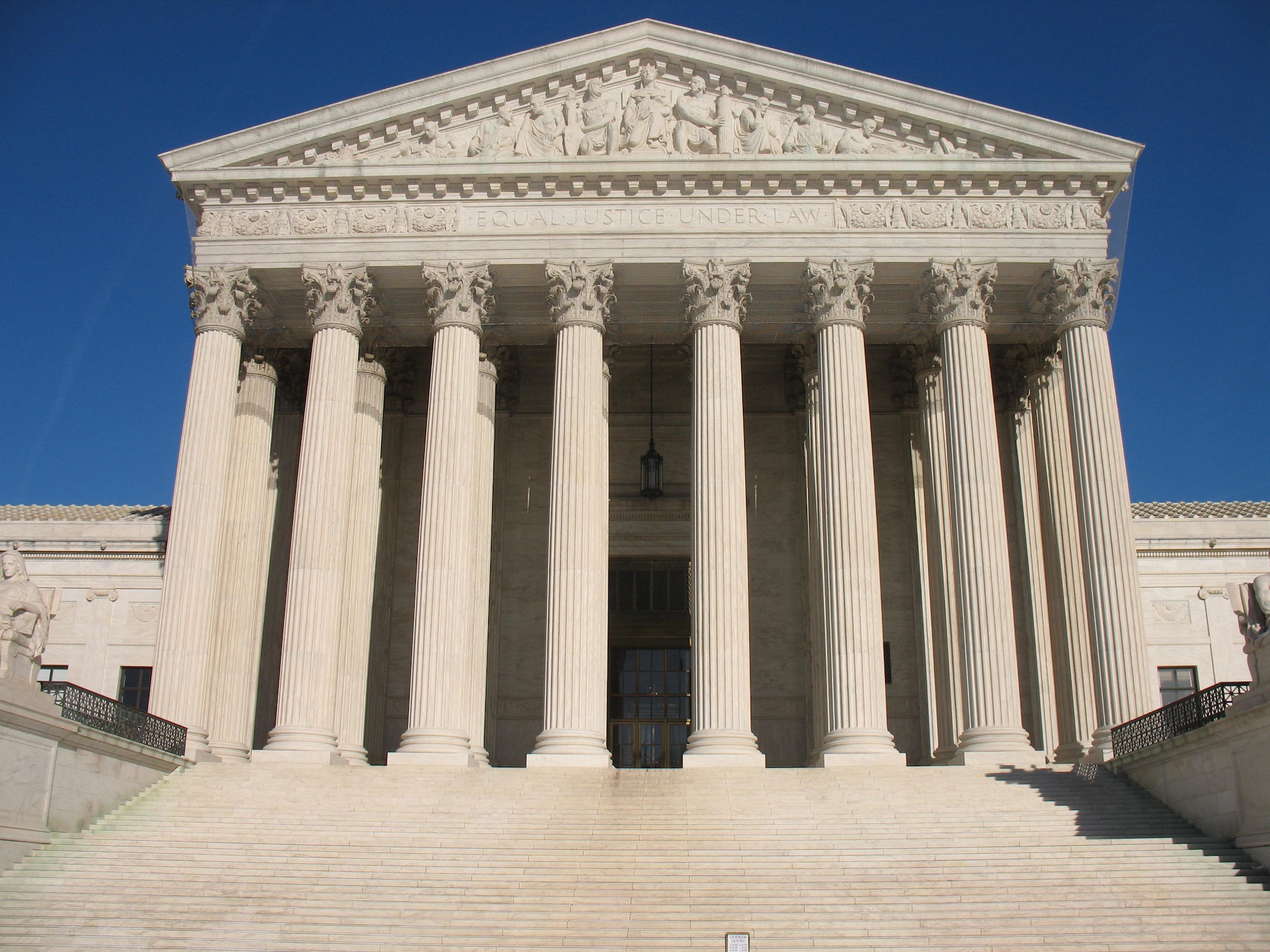
The U.S. Supreme Court convened Tuesday for a high‑stakes transgender showdown over the future of women’s and girls’ sports, hearing oral arguments in two cases that challenge state laws barring males who identify as transgender from competing on female school teams. The consolidated disputes, arising from Idaho and West Virginia, test how far states may go in separating athletes by “biological sex” under Title IX and the Constitution’s Equal Protection Clause, with a ruling expected by late June.
Supporters of the Idaho and West Virginia laws have cast the cases as a last line of defense for women’s sports, arguing that allowing transgender girls and women who underwent male puberty to compete in female categories threatens competitive fairness and safety. State officials and advocacy groups backing the bans say Title IX was designed to create separate, sex‑based opportunities for female athletes and that those opportunities are undermined if eligibility is tied to gender identity instead of sex assigned at birth. They point to examples from track and field and swimming in which transgender athletes have finished ahead of cisgender girls, highlighting those results as evidence that even small physiological advantages can displace female competitors from podium spots, records, and scholarships.
“This could have huge implications for everything from women’s sports to military policy to bathroom usage,” Carrie Severino, president of the Judicial Crisis Network, told the New York Post.

Challengers to the laws, including transgender runners in both Idaho and West Virginia, counter that the bans do not “save” women’s sports but instead target a small, vulnerable group of students for categorical exclusion. Their legal teams argue that barring transgender girls from girls’ teams is a form of sex discrimination because it turns on the incongruence between a student’s gender identity and the sex listed on original birth documents, a classification they say violates Title IX and equal‑protection guarantees. Medical experts supporting the athletes have told courts that hormone treatments suppress testosterone and reduce many of the physical differences that critics cite, making blanket bans scientifically overbroad and out of step with evolving sports policies at some levels of competition.
The cases, Little v. Hecox and West Virginia v. B.P.J., stem from laws in Idaho and West Virginia that limit girls’ sports teams to females, and the Supreme Court agreed to hear both to address distinct legal questions and factual records. The Idaho dispute arises from the Fairness in Women’s Sports Act, passed in 2020 to bar males from competing in girls’ and women’s sports across the state, a measure challenged by Lindsay Hecox after seeking a spot on a Boise State University women’s track team.
In the West Virginia case, a middle-school male athlete competing on a girls’ track-and-field team finished ahead of more than 400 different girls, displacing them 1,100 times in three years in cross-country and track-and-field events.
Lower courts blocked Idaho’s law, finding that it violated the Equal Protection Clause of the 14th Amendment, and the state turned to the Supreme Court after the 9th U.S. Circuit Court of Appeals upheld the injunction. The West Virginia case focuses on the Save Women’s Sports Act, enacted in 2021, which restricts participation in girls’ sports from middle school through college to biological females.
That law was challenged by Becky Pepper‑Jackson, a high school student who is male at birth, after the measure barred participation in girls’ athletics, and it too was halted by lower courts, leading to the appeal now before the justices.
“This case is monumental not only for West Virginia, but for our entire country. The outcome will impact the future of women’s sports, the promises of Title IX, and the safety of our daughters,” West Virginia Attorney General JB McCuskey said. “We are hopeful that the Supreme Court will uphold the Save Women’s Sports Act and agree with what West Virginia has been saying for years: biological sex matters in sports, and allowing males to compete against female athletes is unfair and dangerous.”
President Donald Trump issued an executive order last year invoking Title IX and warning that schools allowing males to compete in women’s sports could lose federal funding.
“Women and girls are looking to the Supreme Court to uphold laws recognizing a fundamental truth: Biology matters,” Alliance Defending Freedom CEO, President, and Chief Counsel Kristen Waggoner said. “Science shows that puberty blockers and testosterone suppression can’t eliminate the physical advantages males have over females. States like West Virginia and Idaho must remain free to acknowledge that truth by protecting women’s sports in the law. Girls deserve to have a fair playing and the American people deserve to have laws grounded in truth.”
Court observers say conservative Justice Neil Gorsuch could play a crucial role in the case’s outcome. Although he recently joined a majority upholding state restrictions on transgender medical treatments for minors, he previously aligned with the court’s liberal justices in a 2020 workplace discrimination decision involving gender identity.
“This is the first time the Supreme Court has taken these questions head-on,” Severino said. “The outcome will shape the future of women’s sports nationwide.”

