

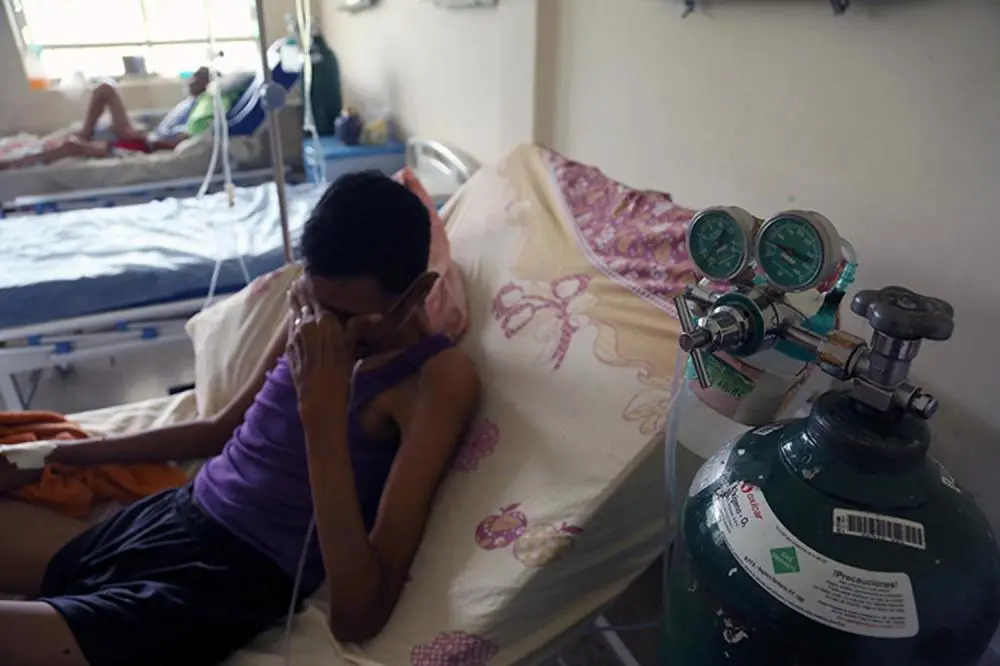
The dramatic capture of former Venezuelan president Nicolás Maduro and his wife Cilia Adela Flores de Maduro by U.S. authorities has thrown a new layer of uncertainty over a country already grappling with one of the world’s most severe health and humanitarian emergencies. Behind the geopolitical shock, doctors, patients, and aid workers warn that Venezuela’s crumbling health system remains an immediate life‑or‑death concern for millions.
Collapsed health system and scarce care
According to various reports, public services such as healthcare, water, and sanitation have “collapsed,” leaving an estimated 70% of the population without reliable access to health system services, both public and private. Hospitals frequently lack specialists, basic supplies, and functioning equipment, forcing families to source everything from gauze to antibiotics on their own or forgo care altogether.
The long-running economic crisis, marked by triple‑digit inflation and deep currency depreciation, has pushed more than half of Venezuelans into extreme poverty, pricing many out of private clinics that have become a last resort for those who can pay. Humanitarian groups say that even when beds and doctors are available, medicine shortages and power cuts routinely interrupt surgeries and critical treatments.

Infectious disease outbreaks and weak prevention
The breakdown of preventive health programs has opened the door to recurrent outbreaks of malaria, dengue, measles, and diphtheria, particularly in poorer and remote regions. Authorities and aid organizations link these epidemics to the deterioration of vaccination campaigns and vector control measures, as well as worsening sanitary conditions.
Restrictions on access to safe drinking water affected roughly 62% of the population in 2025, fueling waterborne diseases and undermining basic hygiene. In many communities, residents report receiving piped water only sporadically, if at all, forcing reliance on unsafe sources that heighten gastrointestinal illness and skin infections.
Malnutrition and the toll on children
Hunger and malnutrition have become central health threats, particularly for children under five and pregnant women. About 10% of the population faces severe food needs and another 40% faces critical food needs, according to humanitarian assessments, leaving families unable to afford even a basic food basket that can cost more than 250 times the minimum wage.
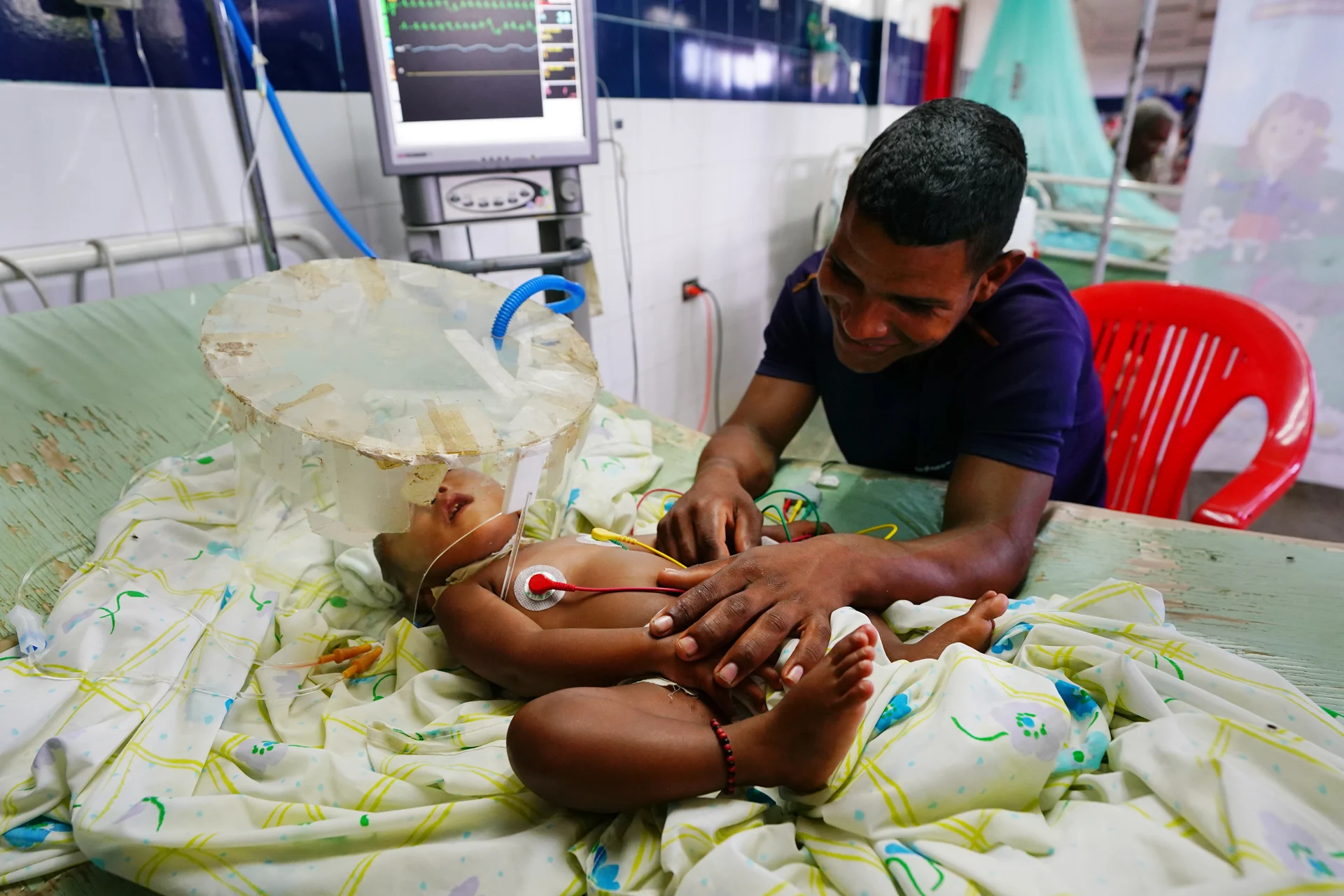
Doctors warn that chronic undernutrition is stunting children’s growth and weakening immune systems, increasing the risk of infections and long‑term developmental problems. Aid programs have tried to prioritize nutrition support for young children and expectant mothers, but funding gaps and access constraints limit coverage in some of the hardest‑hit areas.
Water, sanitation, and everyday emergencies
Beyond hospitals, the health emergency extends into homes, schools, and shelters where water and sanitation services are unreliable or nonexistent. Many schools and clinics operate without continuous running water, complicating infection control and making basic hygiene measures—like handwashing—difficult to sustain.
Frequent blackouts and fuel shortages disrupt refrigeration for vaccines and essential medications, as well as the operation of diagnostic equipment and intensive care units. Health workers describe improvising with generators and alternative transport, yet say these measures cannot meet the scale of need.
Displacement, violence, and a strained safety net
Years of crisis have pushed nearly 8 million Venezuelans to flee the country, making Venezuela the world’s largest source of refugees and others in need of international protection. Those who stay behind face rising violence and insecurity, especially in border areas where armed groups and criminal gangs operate, deepening both protection and emergency health needs.
“Millions of Venezuelans dream of returning home, yet they face severe challenges in accessing basic services such as health, education, nutrition, and child protection,” said Joao Diniz, Regional Leader at World Vision in Latin America and the Caribbean.
Humanitarian agencies estimate that between 7.6 million and 19.6 million people inside Venezuela now require aid, with health, nutrition, protection, and water and sanitation among the most urgent sectors. European Union funding and other international assistance support emergency healthcare, mobile clinics, vaccination, and protection services, but aid workers caution that political upheaval following Maduro’s capture could either open space for reforms or further complicate access and coordination on the ground.

