

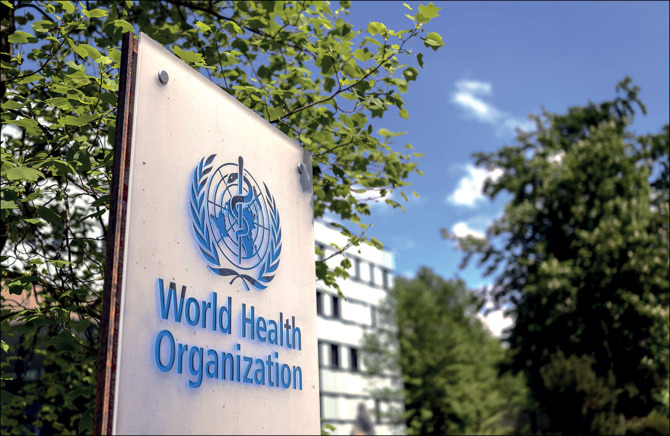
The United States has formally withdrawn from the World Health Organization, ending nearly eight decades of membership and leaving the UN health agency without one of its largest and most influential donors.
Key facts of the withdrawal
The withdrawal became official on January 22, 2026, one year after President Donald Trump signed an executive order on the first day of his second term notifying the WHO of U.S. intent to leave, in line with the one‑year notice requirement set when Congress approved membership in 1948. With the exit now in force, Washington has halted both assessed and voluntary contributions and is pulling U.S. government staff from WHO programs and offices, including roles in Geneva and global field operations.
Reasons given by the administration
Trump and senior officials argue that the WHO mishandled the COVID-19 pandemic and other health emergencies, accusing the agency of being too “China‑centric,” slow to raise alarms, and resistant to reform proposals from Washington. A joint statement from Health Secretary Robert F. Kennedy and Secretary of State Marco Rubio charged that the WHO has strayed from its core mission, succumbed to political pressure from member states, and acted contrary to U.S. interests in protecting public health.

Money, law, and WHO’s budget shock
The United States had been the WHO’s largest single funder, supplying roughly 15–20 percent of its budget in recent years, much of it through targeted programs chosen by Washington. As it departs, the U.S. is leaving about 260 million dollars in unpaid dues, a move legal analysts say may conflict with a U.S. law that requires settling financial obligations before withdrawal and that has forced WHO to cut staff and scale back activities.
Global health and geopolitical impact
Reggie Littlejohn, President of Anti-Globalist International, says the exit is long overdue.
“Today is a day of victory for those who fought so long and hard for the United States to exit the WHO,” Littlejohn said. “We encourage the rest of the world to join the United States and Argentina in taking back national sovereignty over health care.”
Additionally, Littlejohn maintains that the WHO mishandled its response to COVID-19 by closely following the China model, backing widespread lockdowns, mask mandates, and vaccine passports.
“The WHO poses further threats through the promotion of Digital Health IDs, which can be used to create a Chinese-style Social Credit System worldwide, a system of mass surveillance and totalitarian control,” Littlejohn said. “The WHO’s Pathogen Access and Benefit Sharing System will greatly increase the risk of lab leaks and bio-terrorist attacks. In my opinion, the world would be better off without the WHO.”
What Washington and WHO say comes next
The Trump administration insists the United States will remain a global health leader through bilateral partnerships and targeted initiatives outside the WHO framework, though details of the new strategy remain vague. WHO officials, while expressing regret at the U.S. decision, say they will seek to diversify funding, strengthen ties with other donors and keep technical cooperation channels open wherever possible, even as formal U.S. membership ends.

