


The True Health Initiative hosted the 2nd Annual Health Misinformation Symposium virtually on December 9–10, 2025, bringing together renowned health experts, researchers, and policy leaders to tackle the continuing global challenge of misinformation in health and wellness communication.
Building on the success of its inaugural event, this year’s symposium focused on combating the erosion of public trust in science, ethical approaches to health communication, and leveraging technology for evidence-based education. Participants explored the real-world impacts of misinformation on vaccination efforts, nutrition trends, and chronic disease prevention.
Key themes and sessions
One stream examined how to regulate harmful online content and draw ethical lines around wrongful or manipulative speech, highlighting the tension between free expression and protecting the public from dangerous health myths. Another explored how media, public figures, and institutions influence trust, with sessions on biased reporting, politicised research, and the commercial playbooks shaping what the public sees and believes about nutrition and medicine.

Dr. David L. Katz, President of the True Health Initiative, opened the event emphasizing that “truth in health must compete with speed and sensationalism online.” Keynote speakers included representatives from the World Health Organization, the U.S. Centers for Disease Control and Prevention, and leading academic institutions. Interactive panels and workshops offered practical tools for identifying false claims and improving science literacy.
The two-day program also featured the unveiling of the Global Health Information Integrity Framework, a collaborative project to create shared standards for fact-checking and transparent health communication across platforms.
Featured speakers
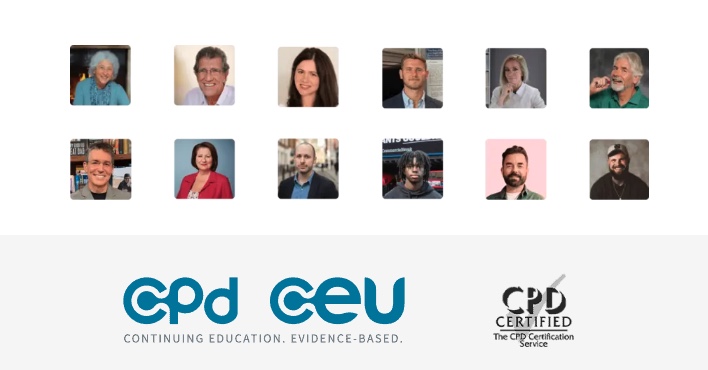
The symposium featured a mix of researchers, clinicians, journalists, and advocates, including nutrition scholars Marion Nestle and Christopher Gardner, whose work has shaped debates on food systems and dietary guidelines. Other prominent participants included investigative health journalist Sandee LaMotte, policy and ethics expert Jeffrey Howard, AI and misinformation researcher Alex Ruani, youth activist Farid from Bite Back, public health communicator Robbie Lockie, and breast cancer surgeon and author Liz O’Riordan.
Audiences from more than 50 countries tuned in to participate in live discussions, reflecting a growing international consensus: misinformation is a collective threat that requires coordinated, multidisciplinary solutions.

