

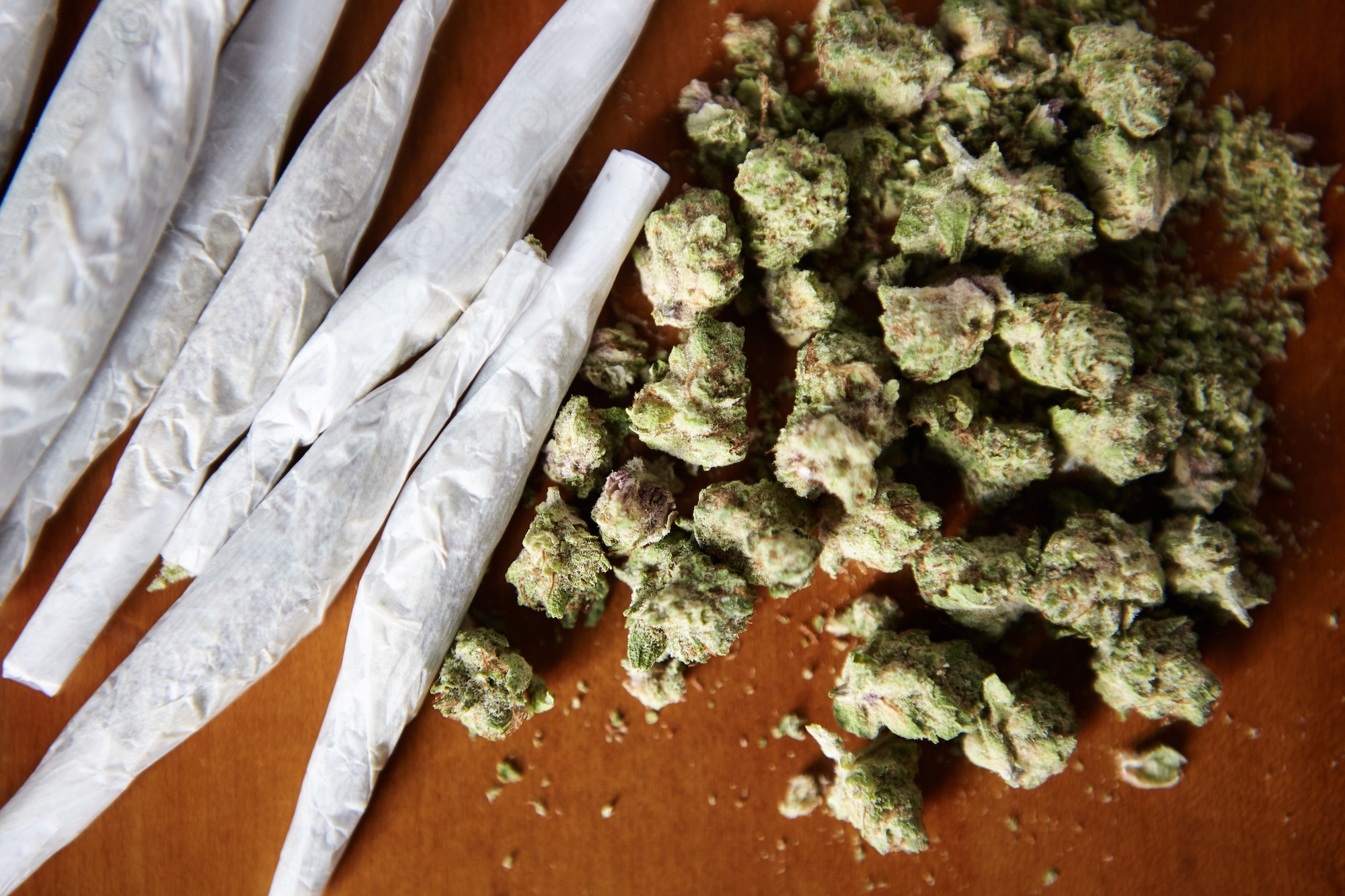
WASHINGTON — Despite growing outcry from lawmakers, medical professionals, and anti-drug advocates, President Donald Trump on Thursday signed an executive order directing federal agencies to reclassify marijuana from a Schedule I drug to a Schedule III drug under federal law.
The order, which administration officials said aims to “expand opportunities for scientific research into potential medical uses,” marks the most significant federal shift in marijuana policy in decades. Cannabis is currently classified alongside heroin and LSD as a Schedule I substance, meaning it is considered to have no accepted medical use and a high potential for abuse.
Reclassification to Schedule III would place marijuana in the same category as drugs such as ketamine and anabolic steroids, allowing for less stringent research restrictions and potential tax deductions for businesses involved in marijuana-related work.

Supporters called the order a long-overdue step toward aligning federal policy with the growing acceptance of medical marijuana across much of the country. Critics, including several state attorneys general and addiction treatment experts, warned that the move could complicate enforcement efforts and send mixed messages about the risks of marijuana use.
Jack Riley, a former DEA deputy administrator, endorsed treating the drug war as a national security priority but warned that rescheduling marijuana risks sending a conflicting message.
“He’s blowing up boats in Latin America that he says are full of fentanyl and cocaine but on the other hand loosening the restrictions that will allow wider exposure to a first-level drug,” said Riley, who was in the running to lead the DEA upon Trump’s return to the White House. “That is clearly a contradiction.”
As reported by Doctor TV Channel, a recent study has uncovered a startling link between marijuana use and cardiovascular health, particularly among young adults.
Charles Fain Lehman, a fellow at the Manhattan Institute and a senior editor of City Journal, wrote in an editorial for The Atlantic, “Such a move would clearly defy the current science on marijuana. Contrary to conventional wisdom, pot—especially today’s highly potent product —is both addictive and harmful.”
White House officials said agencies, including the Department of Health and Human Services and the Drug Enforcement Administration, will begin the formal rulemaking process in the coming months.

