

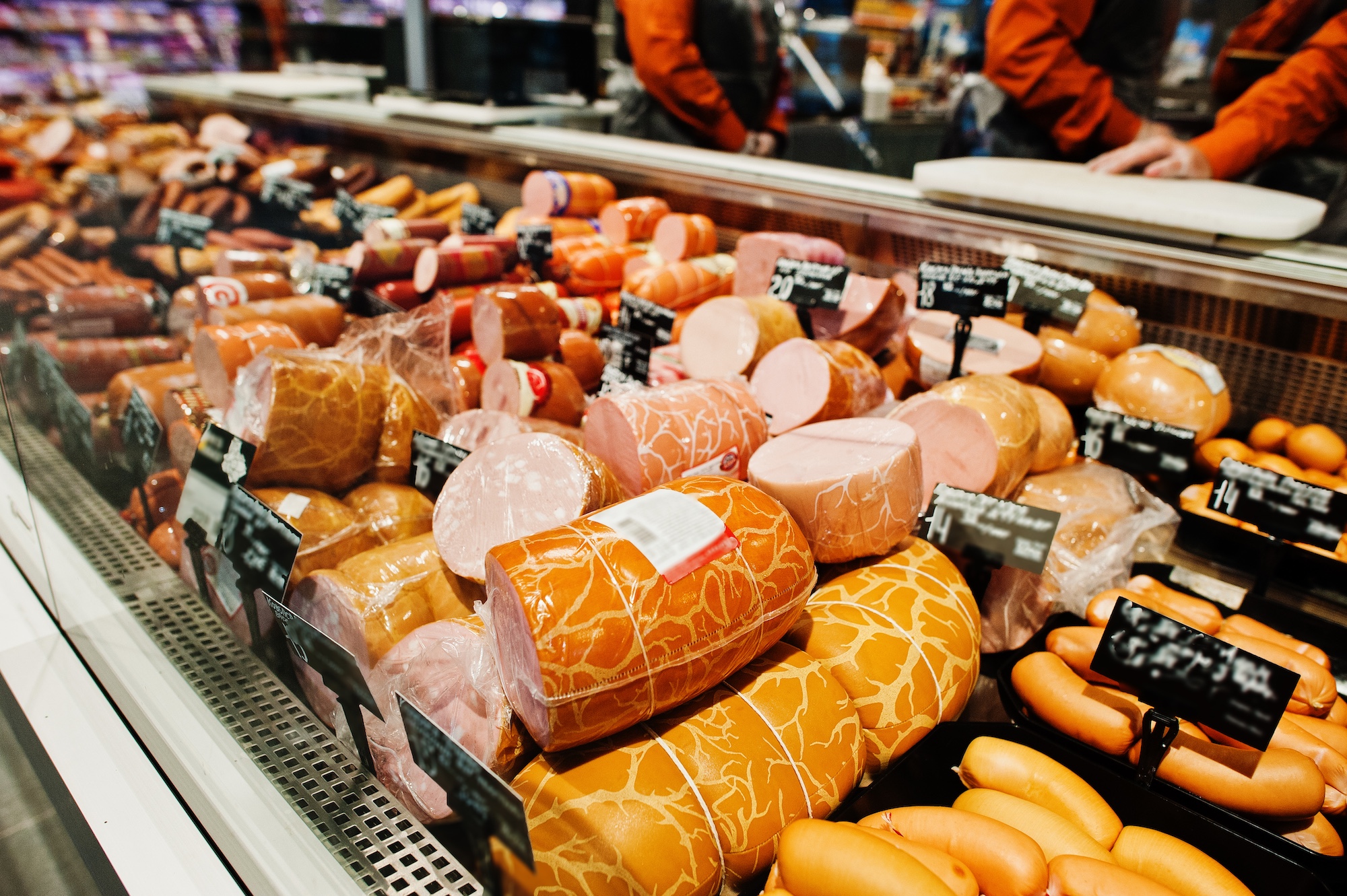
Common preservatives used to keep packaged foods like deli ham fresh and safe may be tied to higher chances of getting some cancers and type 2 diabetes, two large French studies suggest. The research raises new questions about what is really hiding in everyday foods on store shelves. Families are being asked to think twice before piling ham and other deli meats on sandwiches every day.
“These are very important findings for preservatives that are not only widely used in the French and European markets, but also in the United States,” said senior author Mathilde Touvier, principal investigator of the NutriNet-Santé study used to conduct the research.
New research from France
The NutriNet-Santé study, launched in 2009, tracks more than 170,000 people by matching their online diet and lifestyle reports with their medical records in France’s national health system. They found that people who ate more foods with certain preservatives had a slightly higher risk of several cancers and type 2 diabetes than people who ate less of those additives.

Cancer and preservatives
Additionally, the cancer study published Wednesday in the medical journal The BMJ examined 58 different preservatives in the diets of about 105,000 adults who did not have cancer in 2009 and were tracked for up to 14 years. The researchers included only people who regularly completed detailed 24-hour food diaries listing specific brands. They then compared those who ate the most preservative-containing foods with those who ate the least.
How these preservatives are used
Preservatives like nitrites and sorbates are often added to foods such as deli meats, cheeses, baked goods, wine, and some sweets to stop mold and bacteria and make products last longer. These additives help keep food on shelves and in home kitchens for days or even weeks without spoiling. Researchers took a closer look at 17 preservatives consumed by at least 1 in 10 participants and found that 11 were not associated with cancer in their data. The remaining six, however, did show links to cancer and are classified by the US Food and Drug Administration as GRAS, or “generally recognized as safe,” including sodium nitrite, potassium nitrate, sorbates, potassium metabisulfite, acetates, and acetic acid.
What “Group 1” means
Group 1 is the label for things that clearly cause cancer, based on many studies of people over many years. Other items in this group include cigarettes and alcohol, but that does not mean a slice of ham is as dangerous as a cigarette. It means the link to cancer is very certain. Scientists say the way ham is made is part of the problem because it is cured and often smoked, and this can create chemicals that harm cells in the body. Eating about 50 grams of processed meat a day, which can be just a few slices, has been linked to a higher chance of getting colorectal cancer.
The food additives identified in the study as linked to cancer are still classified as GRAS, or “generally recognized as safe,” according to the US Food and Drug Administration. In the past, however, officials have revisited and updated GRAS designations when new science raised concerns.

