

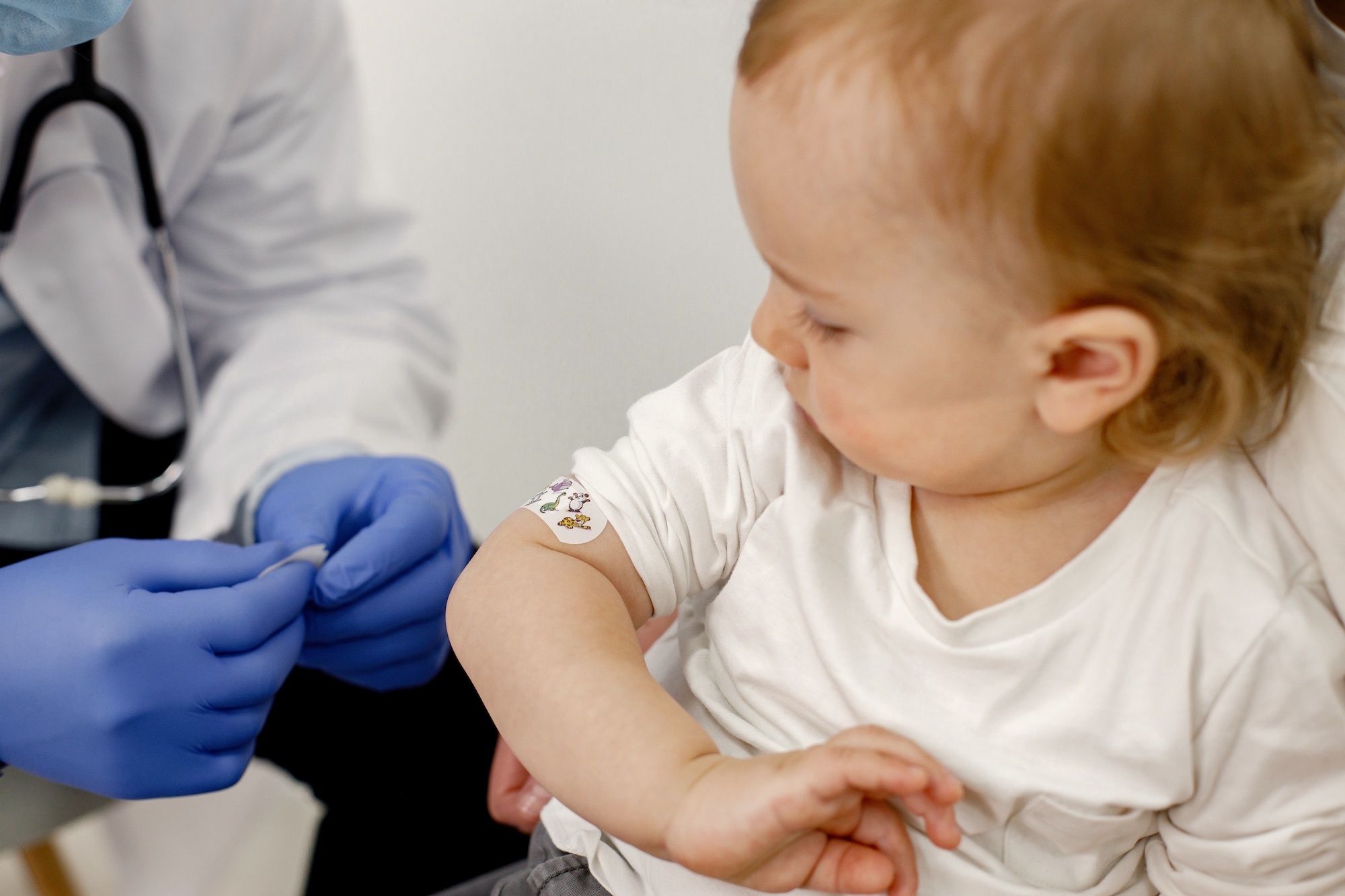
In a landmark development on Jan. 5, 2026, the Centers for Disease Control and Prevention (CDC) announced a sweeping overhaul of the recommended childhood and adolescent immunization schedule, sharply reducing the number of vaccines it urges for routine use in American children. The changes, approved by the Department of Health and Human Services and signed by Acting CDC Director and HHS Deputy Secretary Jim O’Neill, mark one of the most significant revisions to federal vaccination policy in decades.
Policy shift details
“People have noticed that the United States has recommended more vaccines for children every year,” O’Neill said on the Salem News Channel. “They’ve gone from 23 doses for seven diseases in 1980 to more than 80 doses for 18 diseases now.”
Federal health officials narrowed the routine schedule from coverage of 17 diseases to 11, ending universal recommendations for several vaccines and reserving them for higher‑risk children or specific clinical circumstances. The revised schedule, which will be reflected in updated CDC charts for ages 0–18, is slated to guide pediatric care beginning with infants born later this year, following a transition period for states and providers.

Following an exhaustive scientific review comparing U.S. practices to those of other advanced countries, the CDC has streamlined the routine recommendations for all children, focusing on 11 diseases where there is broad global consensus:
• Measles, mumps, and rubella (MMR)
• Diphtheria, tetanus, and pertussis (DTaP)
• Polio
• Haemophilus influenzae type b (Hib)
• Pneumococcal disease
• Varicella (chickenpox)
• Human papillomavirus (HPV, now as a single dose)
This represents a substantial reduction from the previous schedule, which targeted up to 18 diseases and involved significantly more doses from birth through adolescence.
Vaccines previously recommended universally, such as those for the following, have been reclassified:
• COVID-19
• Annual influenza
• Hepatitis A
• Hepatitis B (including the birth dose for infants of HBsAg-negative mothers)
• Rotavirus
• Meningococcal ACWY
• Meningococcal B
These are now advised either for high-risk groups or through shared clinical decision-making between healthcare providers and families.
This represents a substantial reduction from the previous schedule, which targeted up to 18 diseases and involved significantly more doses from birth through adolescence.
The administration framed the move as an effort to “right‑size” vaccination guidance, arguing that lower disease prevalence, evolving evidence and international comparisons justify a more targeted approach. The decision also follows a presidential directive ordering CDC and HHS to re‑evaluate the childhood schedule with an emphasis on individual risk‑benefit assessments and parental choice.
Rationale from federal officials
In its announcement, HHS said the updated schedule “preserves strong protection against the most serious infectious threats while reducing the number of shots recommended for all children.” The decision memo signed by O’Neill cites declining circulation of some pathogens, widespread population immunity and concerns about over‑vaccination as key factors in dropping several routine recommendations.
Officials emphasized that vaccines removed from the universal list remain licensed and available and can still be used when clinicians judge them necessary. They also stressed that the changes do not affect school requirements directly, which are set by states but historically track federal guidance over time.
“Many parents are concerned that they’re injecting their young, innocent children with a lot of medicines,” O’Neill added. “They’re not sure about the risks and benefits of all these.”
Reaction from medical groups
Major pediatric and infectious‑disease organizations responded cautiously, warning that loosening recommendations could reopen the door to illnesses that have become rare in the United States. Some public‑health experts questioned whether the policy was driven more by politics and vaccine skepticism than by epidemiologic necessity, pointing to recent outbreaks abroad when coverage dropped.
Other clinicians and health‑policy advocates welcomed the move, saying a slimmer schedule could improve trust by demonstrating that federal agencies are willing to revisit long‑standing guidance as data change. Several commentators also noted that aligning more closely with certain European schedules may ease concerns among hesitant parents who view the previous U.S. regimen as unusually aggressive.
Implications for parents and providers
Pediatric practices now face the task of updating standing orders, electronic health‑record prompts and counseling materials to reflect which vaccines remain routinely recommended and which are now discretionary. Insurers and vaccine manufacturers are also assessing the impact of reduced universal demand on coverage policies, supply planning and pricing.
Parents are being urged to consult their child’s clinician rather than discontinuing shots on their own, as some vaccines removed from the blanket schedule may still be strongly advised for children with specific medical conditions, travel plans or local outbreak risks. Public‑health departments say they will monitor disease trends closely over the next several years to see whether the scaled‑back recommendations affect infection rates or hospitalization patterns among U.S. children.
Click here for additional details.

