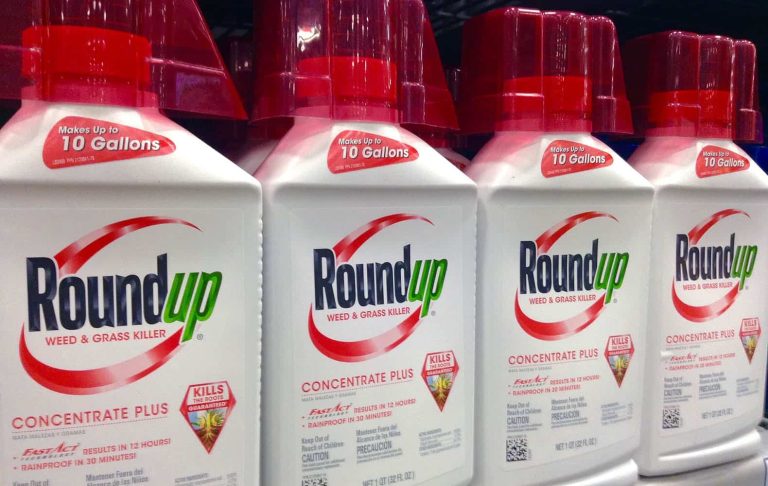
A landmark 2000 study that helped shape global regulatory views on the safety of glyphosate—the active ingredient in Roundup—has been officially retracted after new evidence showed the paper was secretly ghostwritten by Monsanto scientists and misrepresented as independent academic research.
The journal Regulatory Toxicology and Pharmacology issued the retraction, citing “undisclosed authorship and conflicts of interest that violate publication standards.” The decision comes after a university ethics investigation revealed internal company documents showing Monsanto scientists drafted or heavily edited large portions of the study, which had long been presented as the work of outside experts unaffiliated with the company.
Public health experts said the move raises broader concerns about corporate influence over the scientific record. One prominent epidemiologist who has studied glyphosate and pesticides said the retraction shows how “industry’s fingerprints on research can distort the evidence base” that underpins regulatory decisions. Another scholar who has examined internal Monsanto documents said the case illustrates a pattern in which company scientists “ghostwrite or steer” ostensibly independent publications.

Internal company emails disclosed in litigation over Roundup had previously revealed Monsanto plans to ghostwrite scientific papers and then recruit outside academics to sign on as authors. Those revelations prompted renewed scrutiny of the 2000 glyphosate article and eventually led the journal and publisher to review the work and retract it.
Bayer, which acquired Monsanto in 2018, has maintained that glyphosate-based herbicides are safe when used as directed and that regulatory agencies worldwide have repeatedly found no unacceptable risk. The company has said it supports transparency in scientific publishing but argues that the totality of evidence still supports glyphosate’s continued use.
Regulatory agencies in several jurisdictions have said they are reviewing the retraction to determine whether it affects their current assessments of glyphosate. Environmental and public health advocates are urging those agencies to revisit approvals that relied on the 2000 paper and to adopt stricter rules on the disclosure of industry involvement in research.
Although the International Agency for Research on Cancer continues to classify glyphosate as a probable carcinogen, U.S. and European regulators have reached different conclusions, with the U.S. Environmental Protection Agency stating it is unlikely to cause cancer. Some juries have taken a more plaintiff-friendly view, issuing multibillion-dollar verdicts in cases involving people who developed cancer after glyphosate exposure, though appeals courts later reduced those awards to several hundred million dollars each.